Master academics.
Think independently.
Love school.
Montessorium is a truly modern Montessori elementary classroom, combining a timeless pedagogy of freedom and independence with modern learning science and technology.
Built for
Independent Thinkers
Montessorium is an elementary school environment designed for agency. We believe children don't just need instruction — they need purpose. Our classrooms give them both.
Every student sets goals, chooses meaningful work, and reflects on their growth — all within a nurturing, structured environment. Independence isn't a motto here. It's a habit they practice every day.
A Day at Montessorium
Each day blends structure and independence — structured skill-building, conceptual lessons that push students to go further, and time for independent exploration and interests.
The school day begins with a student-led morning meeting
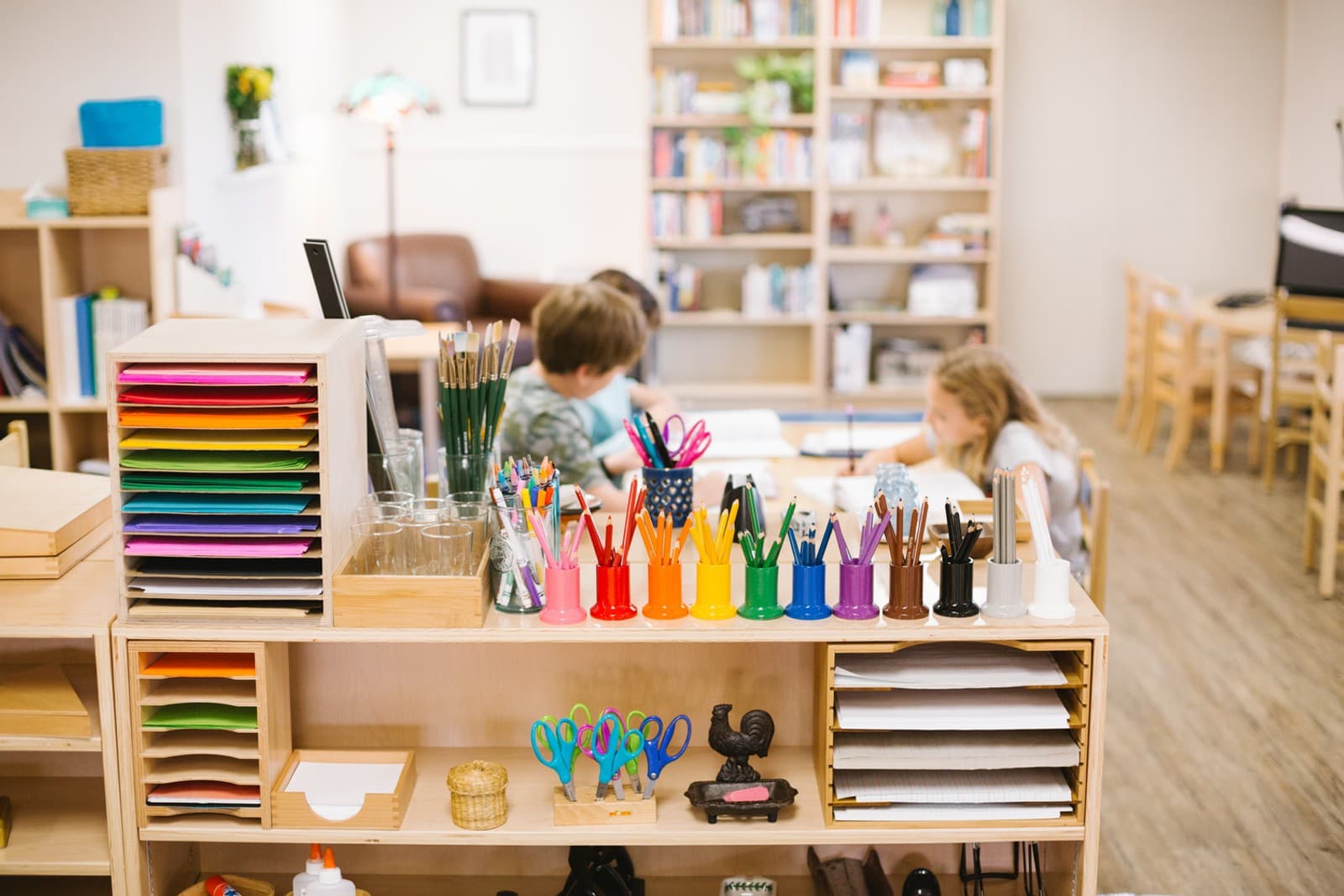
During the open-ended work period in a Montessori classroom, students freely choose their work and accomplish their tasks in a self-directed manner. They transition from small group lessons with Guides, to independent work, to academic practice on the Timeback platform.
The Timeback platform ensures that students build fluency in reading, grammar, and math, and results in 2x faster academic growth and top-tier test results. Montessori lessons ensure that students reach deep conceptual understanding, practice critical thinking, and engage in collaborative work.
And all of it is student-centered: students plan their own days, set their own goals, and reflect on their progress, supported and enabled by systems and structures that are both physical and digital.
Lunch and recess
In the afternoon work period, students complete their daily work, including any remaining Timeback platform lessons.
They also join a range of classroom activities: like literature circles, where small groups analyze and discuss a chapter book; or history lessons, focused on the Heroes of History; and hands-on science labs that make connections across disciplines.
And they have time to focus on independent interests. Whether writing a play, contributing to a classroom newsletter, creating products for an upcoming market, or planning a trip, Montessorium students make things happen.
Extended care with enrichment activities
Math
hands-on and accelerated
Math
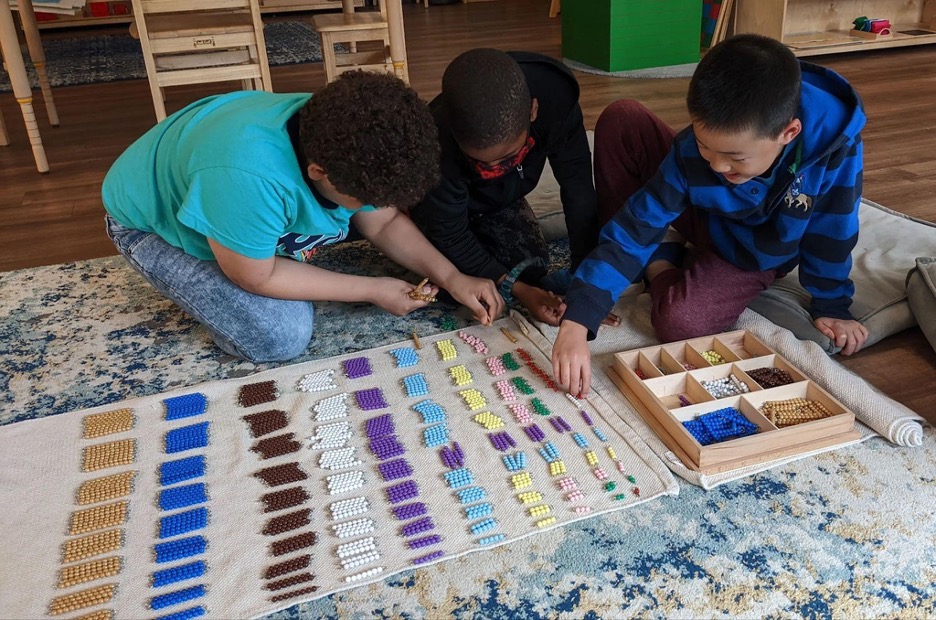
Hands-on Montessori materials foster intuition of quantity, place value, and geometry.
- •Golden beads and decimal system
- •Geometric constructions
- •Concrete to abstract progression
Reading, Grammar, and Writing
Reading, Grammar, and Writing
Deep study of literature develops reading comprehension and sophisticated writing.
- •Grammar boxes and sentence analysis
- •Literature circles with classics
- •Research writing and presentations
Science & Nature Studies
Science & Nature Studies
Botany serves as a gateway to scientific thinking through hands-on exploration.
- •Plant dissection and lifecycles
- •Timeline of life and evolution
- •Scientific method practice
History & Cultural Geography
History & Cultural Geography
The Great Lessons provide chronological framework for understanding civilization.
- •Timeline of human civilization
- •Study of world cultures
- •Geographic features
Practical Life & Executive Function
Practical Life & Executive Function
Three-hour work cycles develop independence and responsibility.
- •Learning journals and planning
- •Grace and courtesy
- •Project management
Fine Arts & Creative Expression
Fine Arts & Creative Expression
Students "read" masterworks of art and develop aesthetic appreciation.
- •Art appreciation and analysis
- •Clay, printmaking, bookmaking
- •Music notation and performance
Proven results
Montessorium students show more than double the learning rate of students in typical schools, consistently scoring in the 99th percentile of national achievement across the student body in math, reading and language on the NWEA MAP Growth test.
These results flow from our hyper-individualization, the incredible, time-tested Montessori curriculum, and the Timeback platform that continuously adjusts student practice and lessons using AI.
The Montessori curriculum
Montessorium uses the Montessori elementary curriculum. There are hundreds of Montessori learning materials that offer students conceptual clarity built from direct experience.
Our Montessori curriculum is designed to give students clarity on everything—from decimals and long division, to editing and sentence diagramming, to chemistry and historical chronology—using physical materials and time-tested lessons.
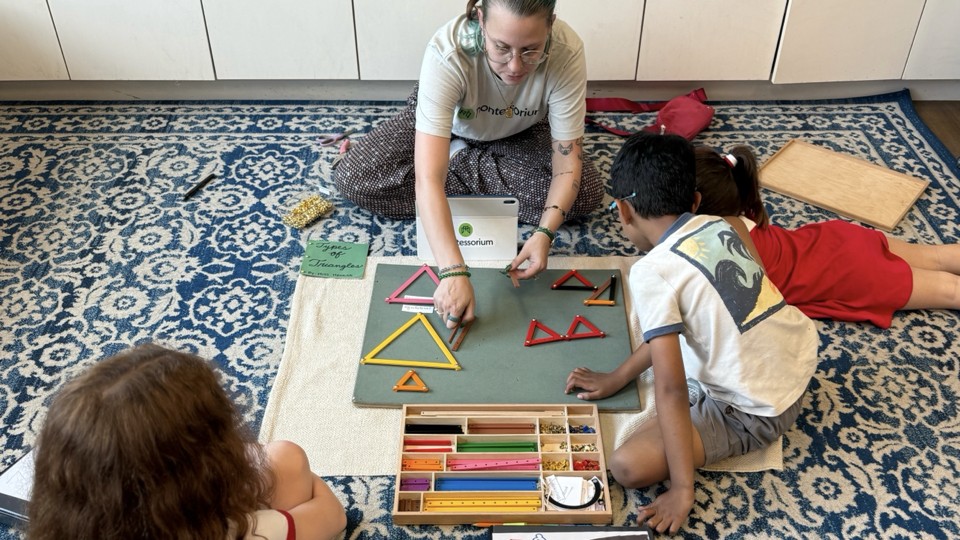
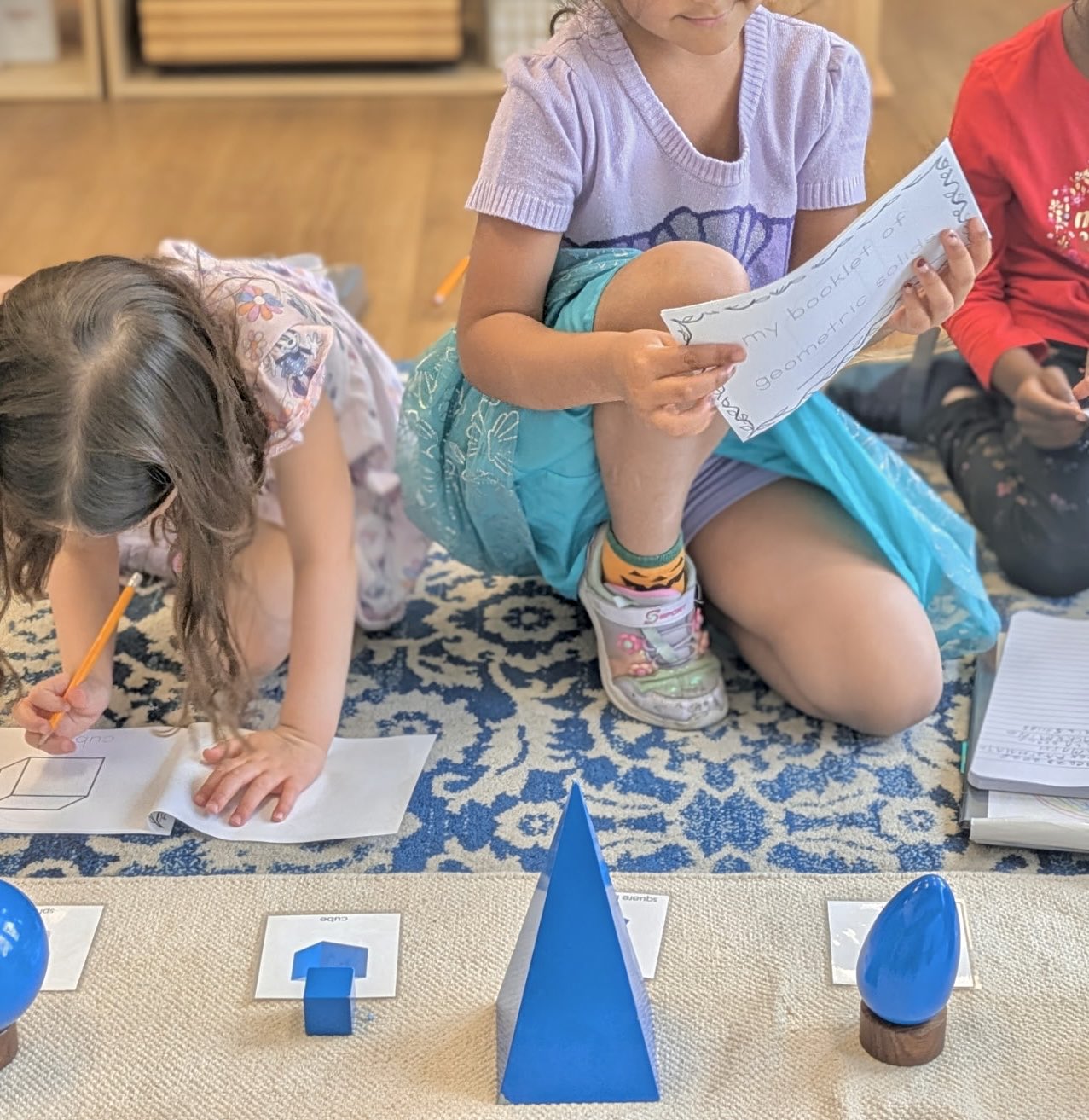
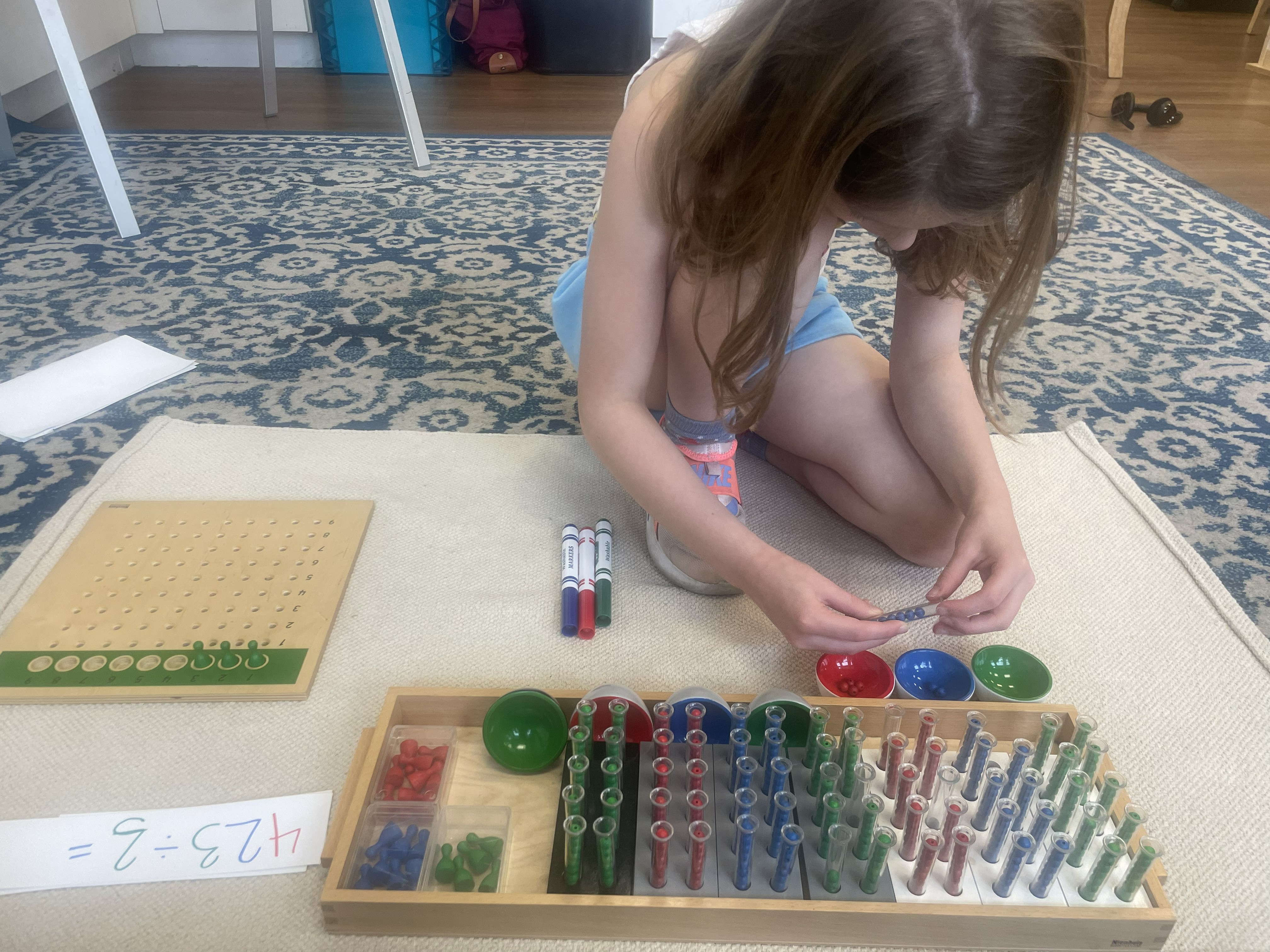
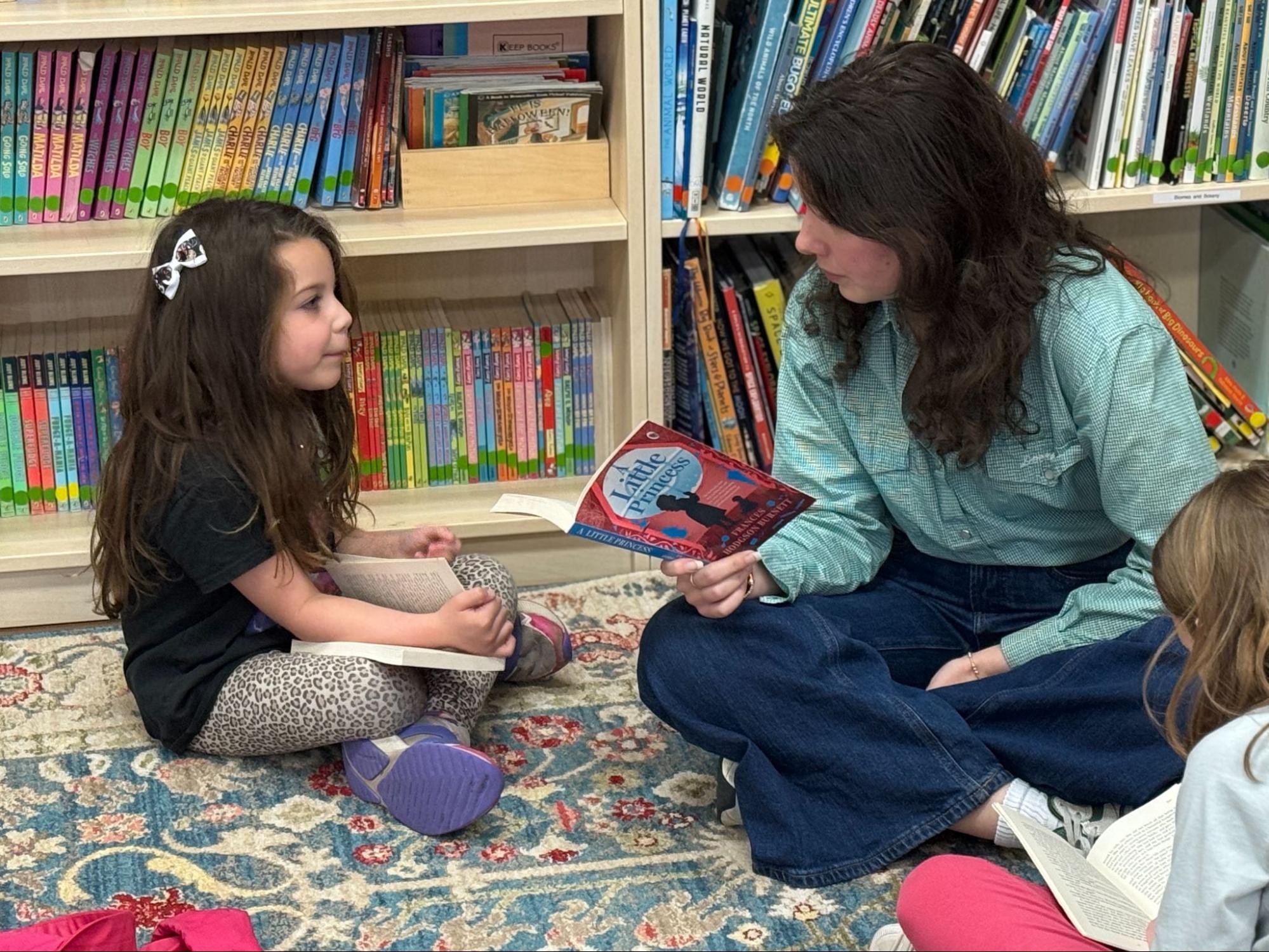
Students are introduced to concepts by material presentations, individually or in small groups, by expert Montessori guides. The students complete independent follow-up work to solidify their understanding.
Our programming is also rich in the humanities, featuring small group literature circles of classical works—such as Balto, The Trumpet of the Swan, The Little Princess, Hatchet, to name but a few. As soon as students are capable of basic reading, as young as 5 or 6, they build a love of reading through consistent exposure to classic works. With structured discussions and writing exercises, they develop the ability to think critically and analyze deeply, identifying character traits, plot points, and themes.
The Timeback platform
Timeback is an AI-proctored software platform. It operates on the principles of learning science: finding the exact right level of challenge for each student, helping the student practice to and past mastery, and using validated sequences for concepts and practice. The AI observes each student's work and performance, and adjusts his or her lessons daily.
Timeback is designed to deliver efficient, effective, individualized practice on core academics. It is adaptive, delivering great results for students who are behind, for exceptionally gifted students, and everything between. And it is performant, delivering consistent learning and exceptional test score improvements.
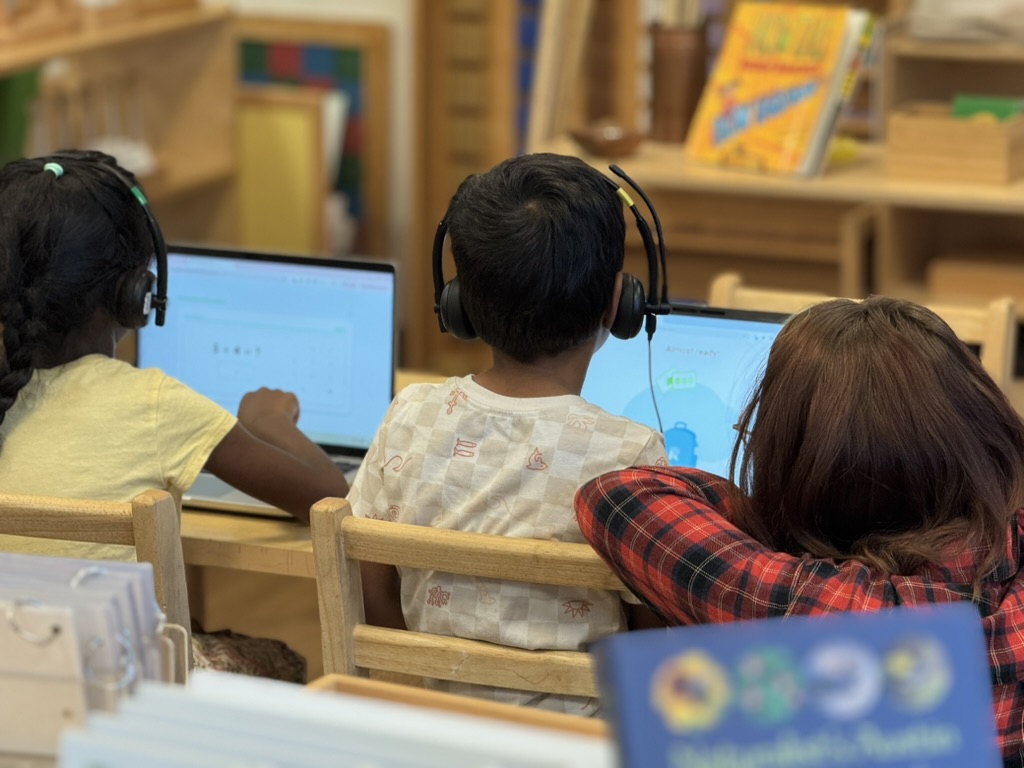
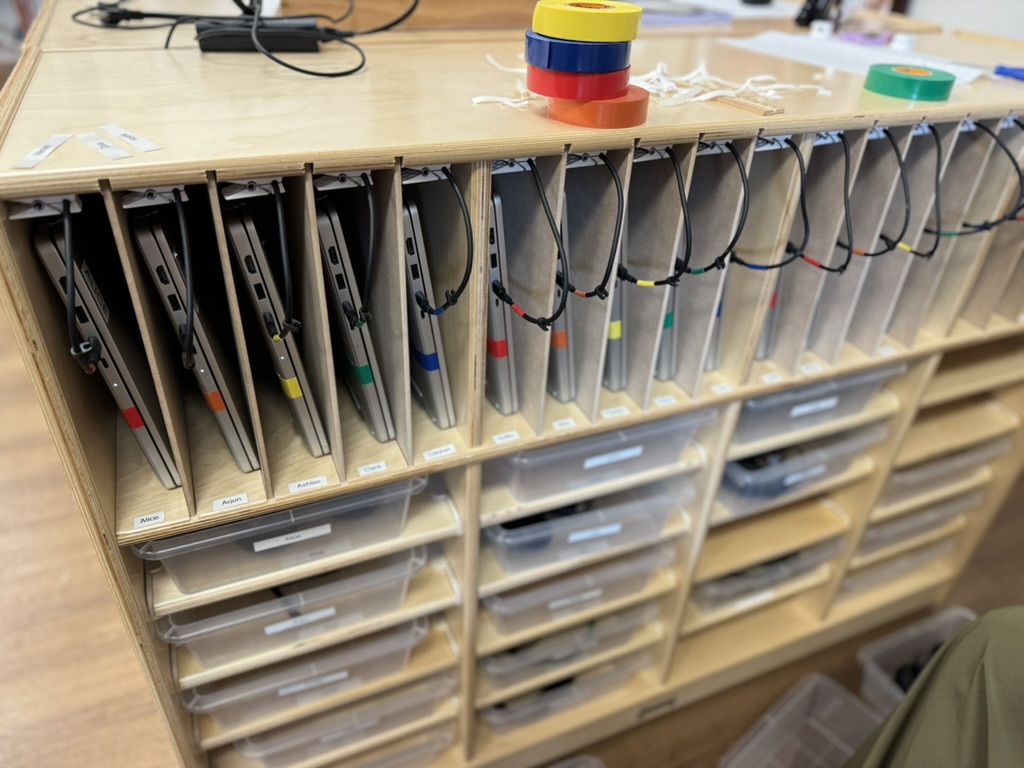
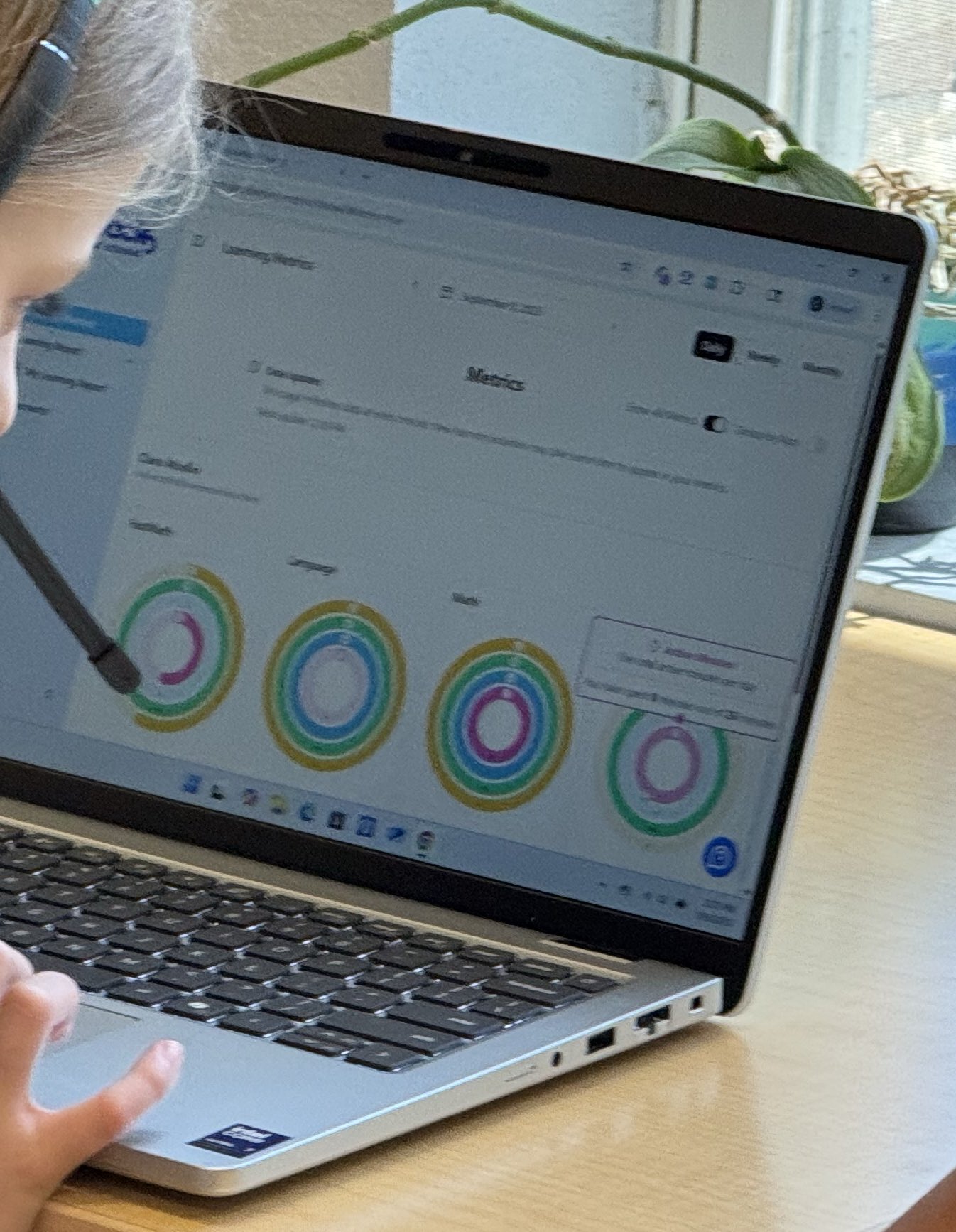
Students each have their own laptop—that lives on a Montessori shelf—that they use independently for 2 hours per day. The Timeback platform shows each student their daily lessons and offers a clear visualization of progress. Montessorium students love “closing their rings,” and feel the efficacy of learning and the pride of building great work habits.
The best of both worlds
The century-old, hands-on Montessori curriculum dovetails perfectly with the cutting edge Timeback platform.
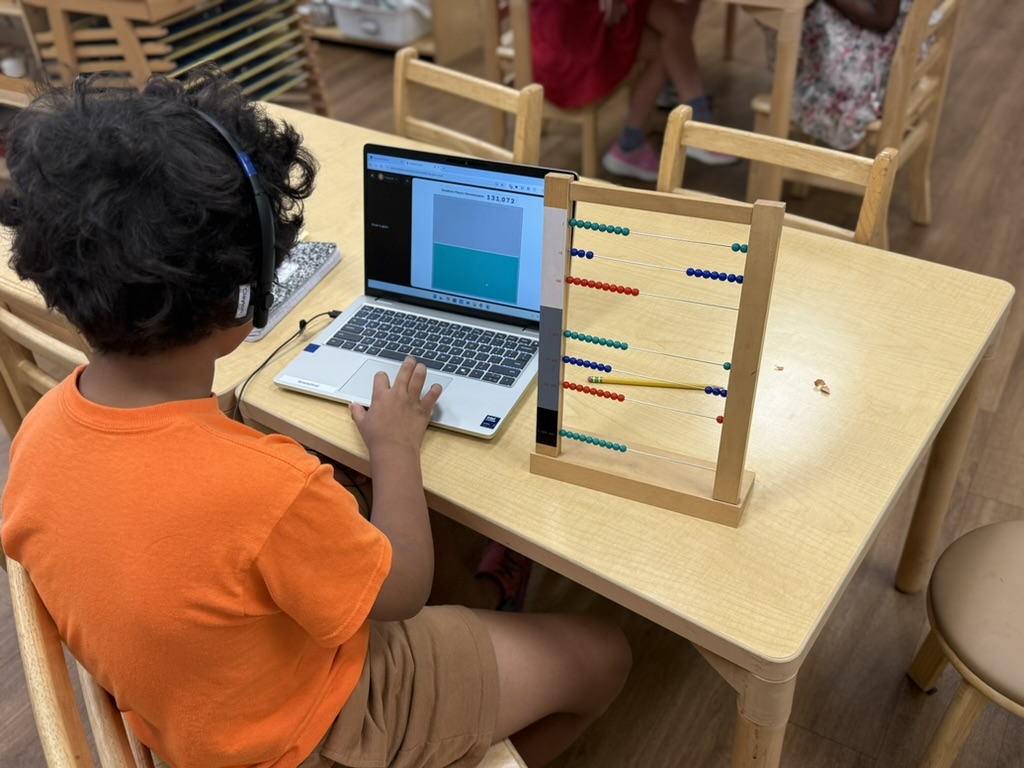
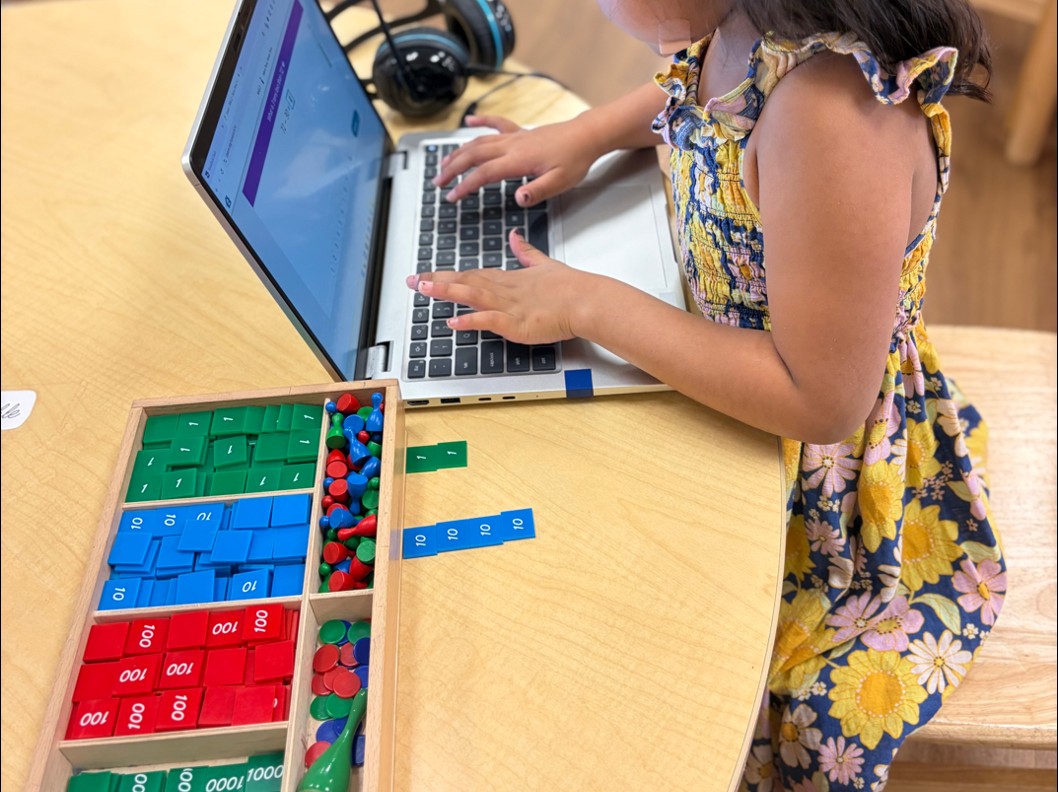
The Montessori materials offer a chance for multi-modal work and unmatched conceptual understanding of foundational academics. The Timeback platform uses technology to support consistent practice and data to vet its effectiveness. Both are individualized per-student.
And they are each mutually supporting. Students will often pull a Montessori math material off the shelf to use during their Timeback math work. And our Montessori guides use the data from Timeback to help select presentations and follow-up work with the materials.
High-agency education
Students at Montessorium take charge of their day.
When students arrive, they each take charge of the classroom with chores and occupations, cleaning, folding, straightening, restocking—making everything perfect for the day.
After a brief morning meeting, they plan their day. One student, for example, might join a Montessori lesson at 9:00, complete follow-up work at 9:30, Timeback until 10:30, then a literature circle, and a bit more platform work before lunch and recess, with time for a personal project in the afternoon.
Student-created stop-motion animation of the timeline of life
Our students' burgeoning interests are supported with individual and class projects, student-organized field trips (called going outs), and ample classroom time for exploration. Our students have created stop-motion films, run a junior Olympics, talked with plumbers about hydrophysics, raised a bearded dragon, coded games, created stories and bound them into illustrated books, and more.
Students individually conference with their teachers, and the Timeback platform continuously monitors work and learning. These two accountability mechanisms work with the Montessori environment and routines to scaffold the development of highly independent human beings.
See It for Yourself
Come visit a Montessorium classroom. You'll see children who are focused, motivated, and proud of their work — not because they're told to be, but because it's theirs.